Cannabis Laws in Thailand: The 2026 Comprehensive Guide
Cannabis Medical
As of the landmark Ministerial Announcement effective June 26, 2025, Thailand has transitioned to a strict medical-only framework for cannabis. For consumers, patients, and businesses, navigating this "controlled herb" status is essential to remain compliant with Thai law.
The Mandatory Prescription System
The most significant change for 2026 is the end of walk-in recreational sales. All cannabis purchases involving flowering buds now require a valid medical prescription issued by a licensed Thai practitioner. Authorized Prescribers: Only seven professional groups can issue prescriptions, including medical doctors, Thai traditional medicine practitioners, dentists, and pharmacists. The PT 33 Form: All prescriptions must use the official Phor Thor 33 form, which tracks the source of the cannabis, the practitioner's ID, and the specific dosage. Validity: Prescriptions are valid for a maximum of 30 days and cannot be refilled; a new consultation is required for every subsequent purchase.
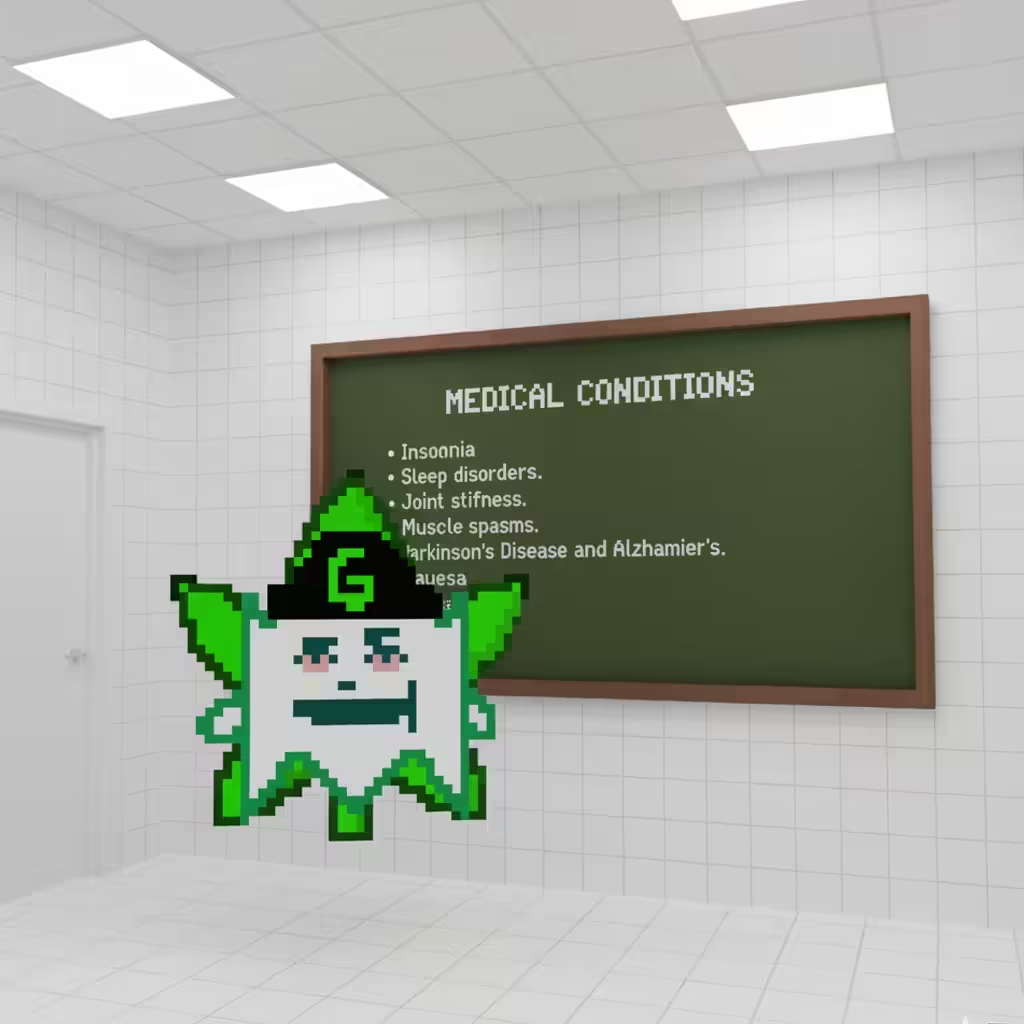
Approved Medical Conditions
To legally obtain a prescription in 2026, the medical professional must diagnose the patient with one of the recognized conditions. While practitioners have some clinical discretion, the core list includes:
• Insomnia and sleep disorders.
• Chronic Pain, joint stiffness, and muscle spasms.
• Migraines.
• Parkinson’s Disease and Alzheimer’s.
• Loss of appetite (Anorexia) and nausea from chemotherapy.
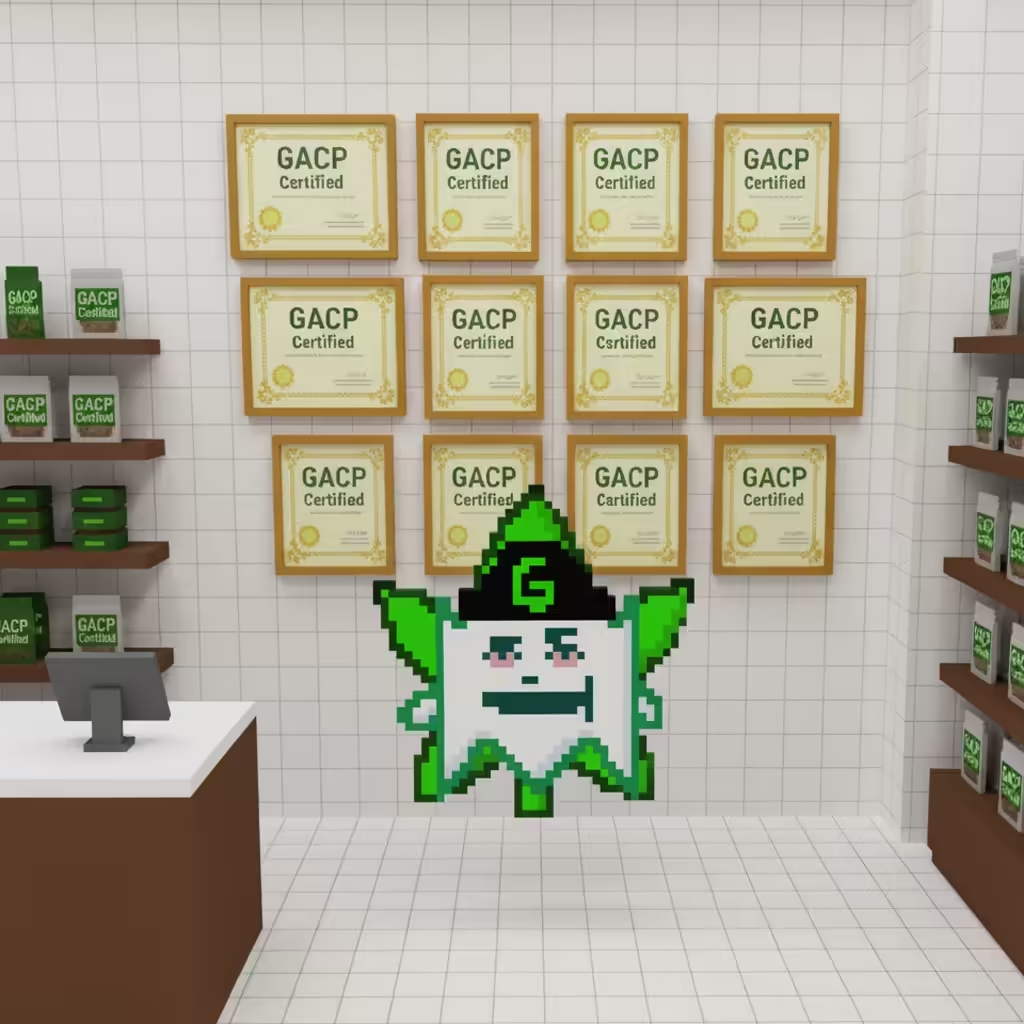
Business Compliance: The GACP Standard
For businesses in 2026, the era of "any farm will do" has ended.
• GACP Certification: All cannabis flowers sold in dispensaries must originate from a cultivation site certified under Good Agriculture and Collection Practices (GACP).
• On-Site Professionals: Every licensed dispensary must have a certified medical professional on-site during all operating hours to verify prescriptions.
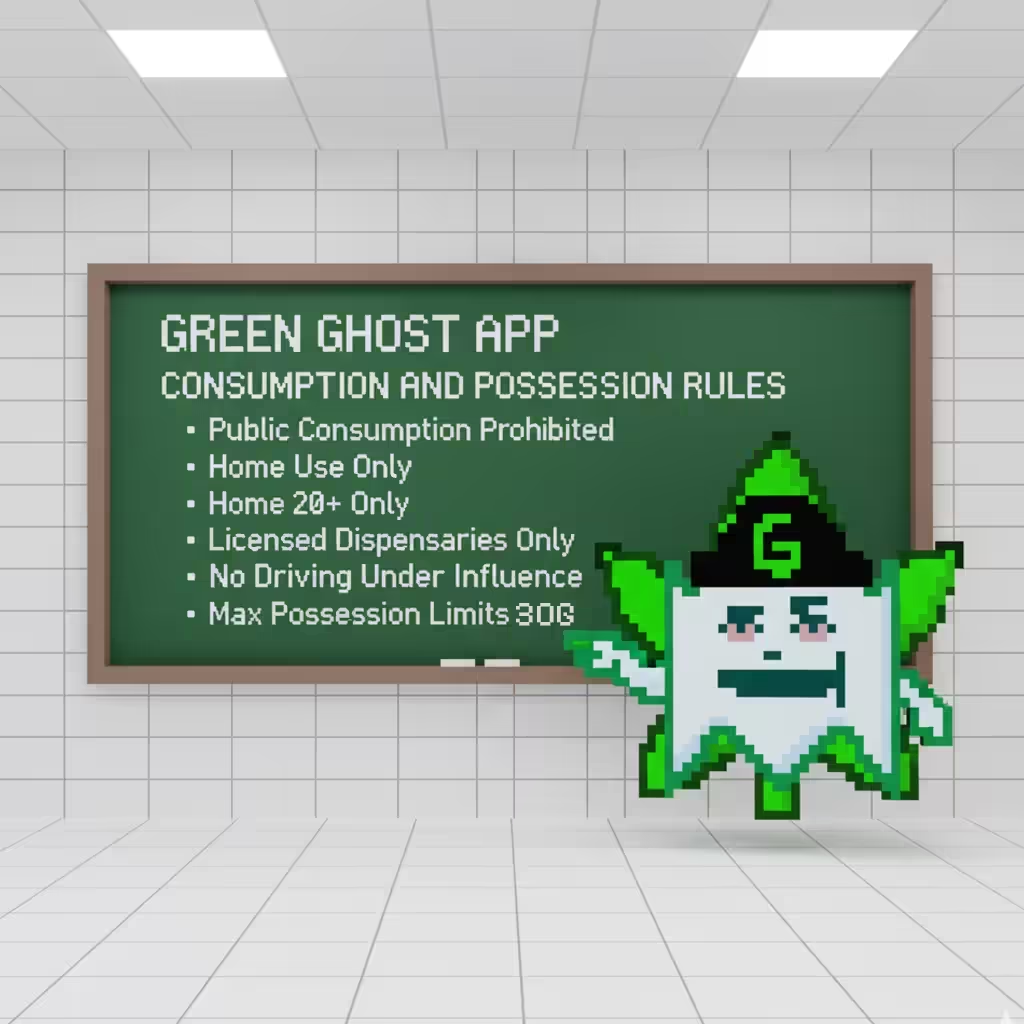
Consumption and Possession Rules
Public consumption remains a severe violation of the 1992 Public Health Act.
• Private Use Only: Even with a prescription, cannabis must be consumed in private settings (such as a home).
• Possession Limits: Individual possession is generally limited to a 30-day supply (typically set at 30 grams per month).
• Sanctions: Smoking in public can lead to three months' imprisonment and fines up to 25,000 THB.
Prohibited Sales and Advertising
To protect public safety, the following methods are strictly forbidden in 2026:
• No Online Sales: Selling cannabis via websites or electronic channels is prohibited.
• No Vending Machines: Sales through automated machines are banned.
• Advertising Ban: All forms of cannabis advertising, including social media promotions and storefront neon signs that target recreational users, are forbidden.
Frequently Asked Questions
Are edibles legal?
Edibles are strictly regulated. Currently, food and drink must contain less than 0.2% THC. Wellness products like oils and snacks require specific FDA approval.
Can I carry cannabis across the border?
No. Importing or exporting cannabis products across the Thai border remains a criminal offence. This includes personal products brought from overseas.
Can tourists buy cannabis in Thailand?
Yes, but only with a prescription issued in Thailand by an authorized Thai medical professional. International prescriptions are not recognized.
Is it legal to smoke in a dispensary?
No, unless the shop is a licensed medical clinic and the consumption is part of a supervised medical treatment plan conducted by a professional.
What happens if I am caught with cannabis without a prescription?
Possession without a valid PT 33 form can lead to up to one year in prison or a 20,000 THB fine.